
Overview
This document provides comprehensive, educational material on a range of psychological topics: ADHD, learning disabilities, anxiety, autism, behavioral problems, depression and mood disorders, screen time and technology use, couples and family dynamics, and psycho-educational assessment. Each section below summarizes the nature, causes, consequences, and practical remedies or interventions.
Attention-Deficit/Hyperactivity Disorder (ADHD)
What is ADHD?
ADHD is a neurodevelopmental disorder characterized by a persistent pattern of inattention and/or hyperactivity-impulsivity that interferes with functioning or development. It is real, brain-based, and not the result of poor parenting, laziness, or lack of intelligence.
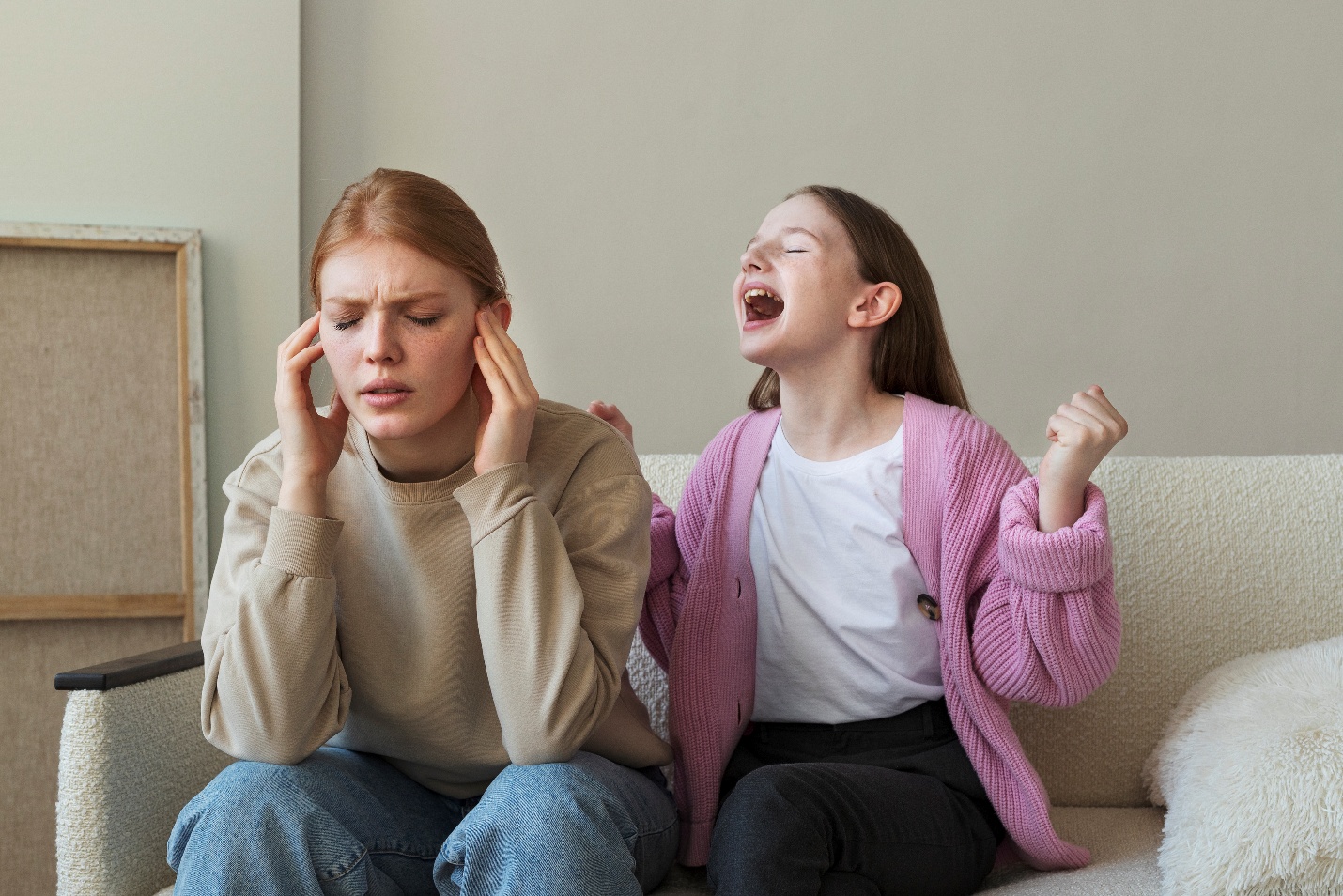
Core Symptoms
Inattention
- Difficulty sustaining focus on tasks or play activities.
- Making careless mistakes in schoolwork or work.
- Seeming not to listen when spoken to directly.
- Failing to follow through on instructions and finish tasks.
- Difficulty organizing tasks and activities.
- Avoiding tasks that require sustained mental effort.
- Losing necessary items for tasks.
- Easily distracted and forgetful in daily activities.
Hyperactivity and Impulsivity
- Fidgeting, leaving seat when expected to remain seated.
- Running or climbing in inappropriate situations; inability to play quietly.
- Often 'on the go' or talking excessively.
- Blurting out answers, difficulty waiting turn, interrupting others.
Presentations
Combined, Predominantly Inattentive, Predominantly Hyperactive-Impulsive.
Causes
ADHD results from a combination of genetics, brain structure and function (dopamine and norepinephrine differences), and environmental risk factors (prematurity, prenatal exposure to substances, brain injury). Factors like screen time or sugar are not proven causes.
Consequences
Untreated ADHD can lead to academic underachievement, social difficulties, low self-esteem, higher rates of anxiety and depression, increased risk-taking, workplace challenges, and daily life management problems.
Management Strategies
- Behavioral therapies & psychosocial interventions: parent training, school accommodations (504/IEP), social skills training, CBT for adults.
- Medication: stimulants (methylphenidate, amphetamines) and non-stimulants (atomoxetine, guanfacine) under medical supervision.
- Lifestyle & support: routine, organization systems, exercise, nutrition, sleep hygiene, mindfulness.
Learning Disabilities (LD)
What is a Learning Disability?
A learning disability is a neurological disorder that affects the brain's ability to process information. It is not an intellectual disability; people with LD often have average or above-average intelligence.

Common Types
- Dyslexia: difficulties with reading, decoding, and spelling.
- Dysgraphia: difficulties with handwriting and written expression.
- Dyscalculia: difficulties with math and number concepts.
- Non-Verbal Learning Disability: visual-spatial and social skill weaknesses despite strong verbal skills.
- Auditory/Visual Processing Disorders: problems interpreting auditory or visual information despite normal hearing/vision.
Causes
LDs arise from genetic and brain wiring differences; prenatal/neonatal risks (toxins, prematurity) can contribute. Environmental factors don't cause LDs but can affect severity.
Consequences
Unaddressed LDs lead to academic struggles, low self-esteem, anxiety, social problems, underemployment, and long-term life impact.
Interventions
- Formal evaluation & plans: diagnosis, IEP, 504 plans.
- Specialized instruction: multisensory structured literacy (Orton-Gillingham), remedial tutoring, speech-language therapy, occupational therapy.
- Classroom accommodations: audiobooks, extended time, word processors, calculators, preferential seating.
- Emotional support: counseling, strength-based approaches, self-advocacy teaching.
Difference from ADHD
ADHD affects attention/executive function; LD affects specific academic skills. They can co-occur.
Anxiety
What is Anxiety?
Anxiety is the body's response to stress. Normal anxiety is temporary and proportional; anxiety disorders are persistent, overwhelming, and interfere with daily life.
Causes
- Biological & genetic factors (neurotransmitter imbalances, family history, medical conditions).
- Environmental & psychological factors (trauma, chronic stress, childhood experiences, personality).
- Substance use (caffeine, stimulants, alcohol, drug withdrawal).
Consequences
Untreated anxiety affects physical health (cardiovascular, digestive, immune), mental health (depression, concentration problems), social life, and occupational functioning.
Treatments
- Therapy: CBT (gold standard), exposure therapy.
- Medication: SSRIs/SNRIs, benzodiazepines (short-term), beta-blockers for physical symptoms.
- Lifestyle: exercise, mindfulness, sleep hygiene, diet, time management.
- Social support: talk to someone, support groups.
When to Seek Help
If worry interferes with functioning, is uncontrollable, if substances are used to cope, or if there are self-harm thoughts.
Autism (Autism Spectrum Disorder — ASD)
What is Autism?
Autism is a complex neurodevelopmental condition characterized by persistent challenges in social communication and restricted, repetitive behaviors. It is a spectrum: presentation and support needs vary widely.
Core Characteristics
- Challenges with social communication and interaction.
- Restricted, repetitive patterns of behavior and interests.
- Sensory differences (hypersensitivity or hyposensitivity).
Causes
Primarily biological and genetic. Prenatal and perinatal factors may influence risk. Not caused by vaccines or parenting style.
Co-occurring Conditions
Anxiety, depression, ADHD, epilepsy, sleep and GI issues are common co-occurrences.
Support & Intervention
- Early intervention (ABA—with ethical considerations, ESDM), speech & language therapy, occupational therapy.
- Educational supports (IEP), social skills training, supported employment and life skills training for adults.
- Environmental accommodations (sensory-friendly modifications) and promoting neurodiversity and acceptance.
Behavioral Problems
What are Behavioral Problems?
Behavioral problems are actions that are disruptive or harmful and interfere with learning and relationships. Behavior is communication — challenging behavior often signals unmet needs or lack of skills.
Causes
Multiple interacting factors: temperament, neurodevelopmental conditions (ADHD, autism), family environment (inconsistent discipline, conflict), trauma, and social influences.
Consequences
Academic failure, social isolation, mental health issues, legal troubles, family stress, and community costs.
Remedies
- Professional interventions: behavioral therapy, CBT, parent management training, family therapy, medication for co-occurring conditions.
- Practical strategies: functional assessment (ABC model), positive reinforcement, clear expectations, teaching replacement skills, routines, choices, and caregiver self-regulation.
- Seek help when behavior is dangerous, persistent, or impairing.

Depression & Mood Disorders
What are Mood Disorders?
Mood disorders involve disturbances in persistent emotional states — depression (Major Depressive Disorder), dysthymia (persistent depressive disorder), bipolar disorder, SAD, PMDD.
Causes
Biological (neurotransmitters, genetics, brain function), psychological (temperament, trauma), and environmental (stressful life events, social isolation, chronic illness).
Consequences
Physical health decline, cognitive problems, substance use, suicidal ideation, strained relationships, and functional impairment.
Treatment
- Psychotherapy: CBT, IPT, mindfulness-based therapies.
- Medication: antidepressants (SSRIs/SNRIs), mood stabilizers (for bipolar), atypical antipsychotics when needed.
- Brain stimulation for treatment-resistant cases: ECT, TMS.
- Lifestyle: exercise, sleep, diet, sunlight, routine, social connection.
When to Seek Help
If depressive symptoms persist for two weeks or more, impair functioning, or include suicidal thoughts, seek immediate professional help.
Screen Time & Technology Use
What is Screen Time?
Screen time is time spent using devices with screens. Quality matters: passive consumption, interactive consumption, communication, and content creation have different impacts.
Drivers
Persuasive app design, ubiquity of devices, algorithmic curation, instant gratification, FOMO, escape/coping, and social/work demands.
Consequences
Physical (sleep disruption, sedentary lifestyle, vision problems), mental (shortened attention span, anxiety, depression), social (reduced face-to-face interaction), and developmental impacts for children.
Remedies
- Set boundaries and time limits (use built-in device tools).
- Tech-free zones/times (no devices at dinner, in bedrooms).
- Curate content, turn off non-essential notifications, and practice mindful consumption.
- Parental guidance: co-viewing for young children, follow AAP guidelines, encourage real-world activities.
- Advocate for ethical design and digital literacy education.
Couples & Family Dynamics
What is Couples/Marriage Counselling?
Counselling provides a neutral space to improve communication, resolve conflict, rebuild trust, and navigate life transitions. Therapists facilitate listening, change negative patterns, and teach repair skills.
Common Issues
- Communication breakdown (criticism, contempt, defensiveness, stonewalling).
- Financial conflict, intimacy/sexual mismatches, division of labor, parenting disagreements, trust issues, external stressors.
Strategies
- Proactive: prioritize relationship time, daily connection, maintain respect.
- Reactive: improve communication (I-statements, active listening), de-escalate with breaks, focus on repair attempts.
- Seek professional help when conflicts are repetitive, trust is broken, or separation is considered.
- Consider family systems: family-of-origin baggage, triangulation, lifecycle transitions.
Psycho-Educational Assessment
What is it?
A comprehensive evaluation by a qualified professional to map a student's learning profile, cognitive strengths and weaknesses, academic skills, and social-emotional functioning.

Why it's Important
- Identifies learning disabilities and other conditions.
- Explains struggles objectively and reduces shame.
- Provides a roadmap for interventions (IEP, 504).
- Informs educational planning and eligibility for services.
How it Guides Students
- Classroom strategies: leverage strengths, target weaknesses, accommodations (extended time, quieter testing environment, assistive tech).
- At home: reframe the narrative, follow recommended strategies, advocate for the child.
- For the student: build self-awareness and self-advocacy skills.
- For the school: use data to make placement and support decisions.
Process
Referral & consent → Evaluation (tests, interviews, observations) → Analysis & report → Feedback session → Implementation & follow-up.
Conclusion: A psycho-educational assessment turns confusion into clarity and empowers students, parents, and educators with strategies and supports to help the student succeed.